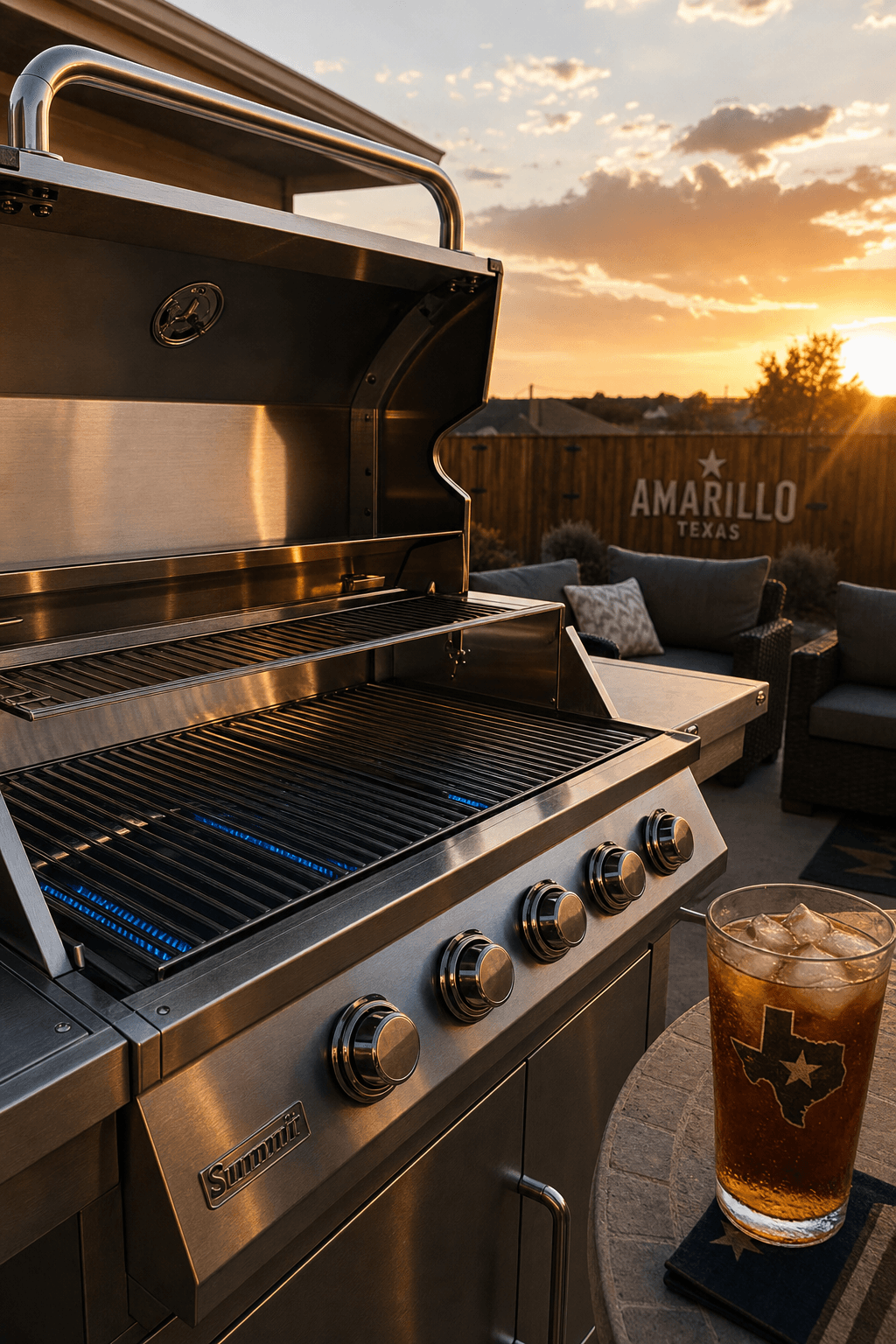
Accumulated grease and carbon residue on your cooking grates significantly increase the grill grease buildup fire risk by fueling sudden, dangerous flare-ups. To prevent these hazards, you should regularly clean your grates while they are warm and empty the grease trap after every use. Maintaining a clean grill also ensures that old grease does not ruin the flavor of your food with a burnt or bitter taste.
Many grillers in Amarillo pride themselves on their weekend BBQ, but a sudden flare-up that chars a prime cut of beef is more than just a ruined dinner. It is a warning sign of a dangerous, underlying problem. Layers of carbonized grease and old fats do not just affect the taste of your food; they create a volatile fuel source right beneath your burners. Ignoring this buildup transforms your high-end appliance into a significant safety hazard for your home and patio. In this guide, we will explore the science behind grease combustion and how those small flare-ups can escalate into uncontrollable fires. You will also discover how to maintain a safe cooking surface, what to do if an emergency occurs, and why professional restoration is the only way to truly eliminate these deep-seated risks.
Understanding the Science of Grill Grease Buildup and Fire Risk
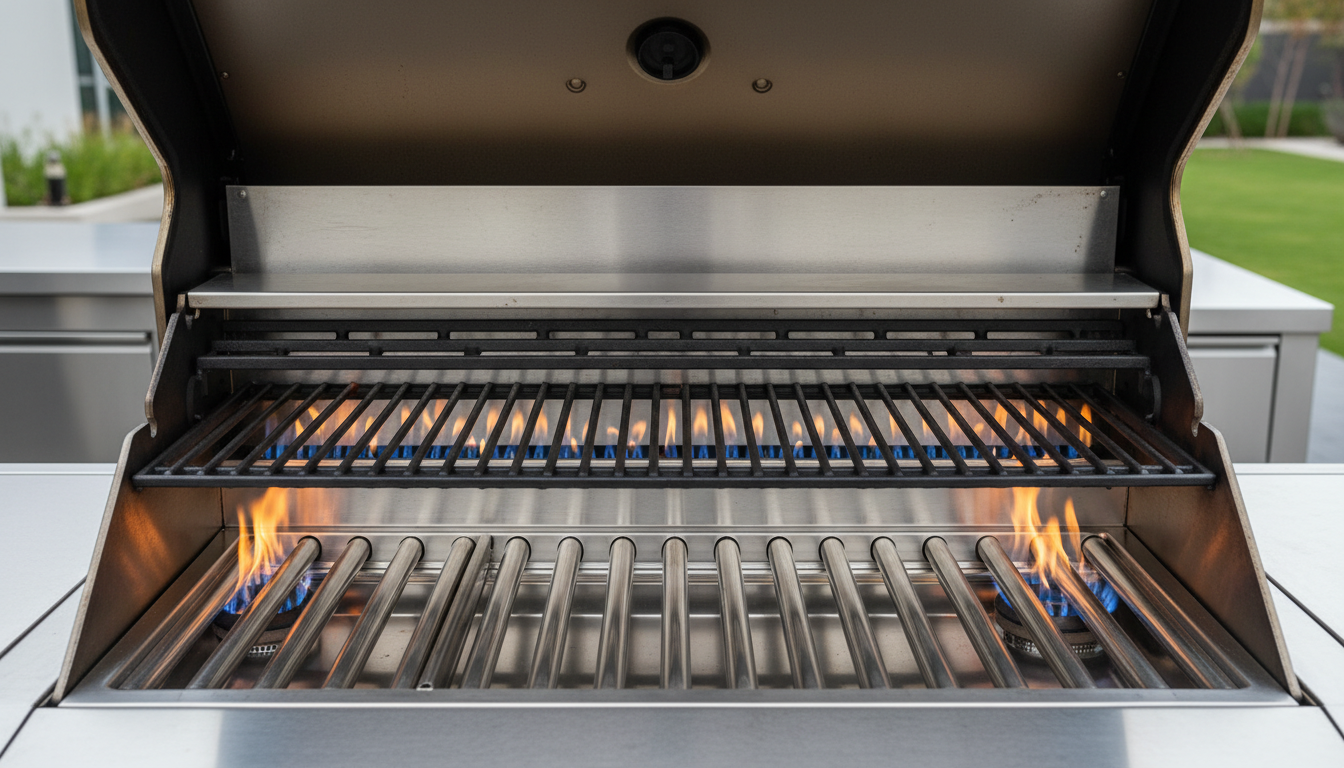
When you sear a steak or slow-smoke a brisket, the fat undergoes a process called rendering. High heat transforms solid animal fats into liquid oils that drip away from the meat. While some of this oil vaporizes to add flavor, a significant portion migrates into the internal recesses of your equipment. Over time, these oils cool and solidify, coating the firebox, burners, and drip pans in a thick layer of residue.
The primary grill grease buildup fire risk stems from the chemistry of these accumulated fats. Every organic oil has a specific flash point; this is the temperature at which it produces enough vapor to ignite when exposed to a flame. As you repeatedly heat old grease during subsequent cookouts, it undergoes thermal degradation, which can actually lower its ignition temperature. A minor flare-up occurs when a single drop of fat hits a burner, resulting in a temporary burst of flame. However, a sustained grease fire happens when the entire layer of accumulated residue reaches its flash point, turning the bottom of your grill into a furnace of liquid fuel.
In the Texas Panhandle, this risk is compounded by our environment. The persistent Amarillo wind carries fine dust and grit that settles into the sticky grease traps. This mixture creates a dense, highly flammable sludge that acts like a wick. Unlike standard carbon buildup, which is relatively dry, this grit-heavy sludge is difficult to scrape away and provides a steady fuel source that can sustain high-temperature fires for long periods. Regular professional barbecue grill cleaning is essential to remove these hidden layers before they reach critical mass.
The Domino Effect: From Flare-ups to a Gas Grill Fire in the Bottom
While most homeowners focus their cleaning efforts on the cooking grates, the true hazard often remains hidden beneath the heat tents. A clean grate might prevent your steak from sticking, but it does nothing to mitigate the grill grease buildup fire risk lurking in the belly of the machine. The progression from a minor flare-up to a catastrophic failure is a rapid domino effect that usually begins in the drip pan or the floor of the firebox.
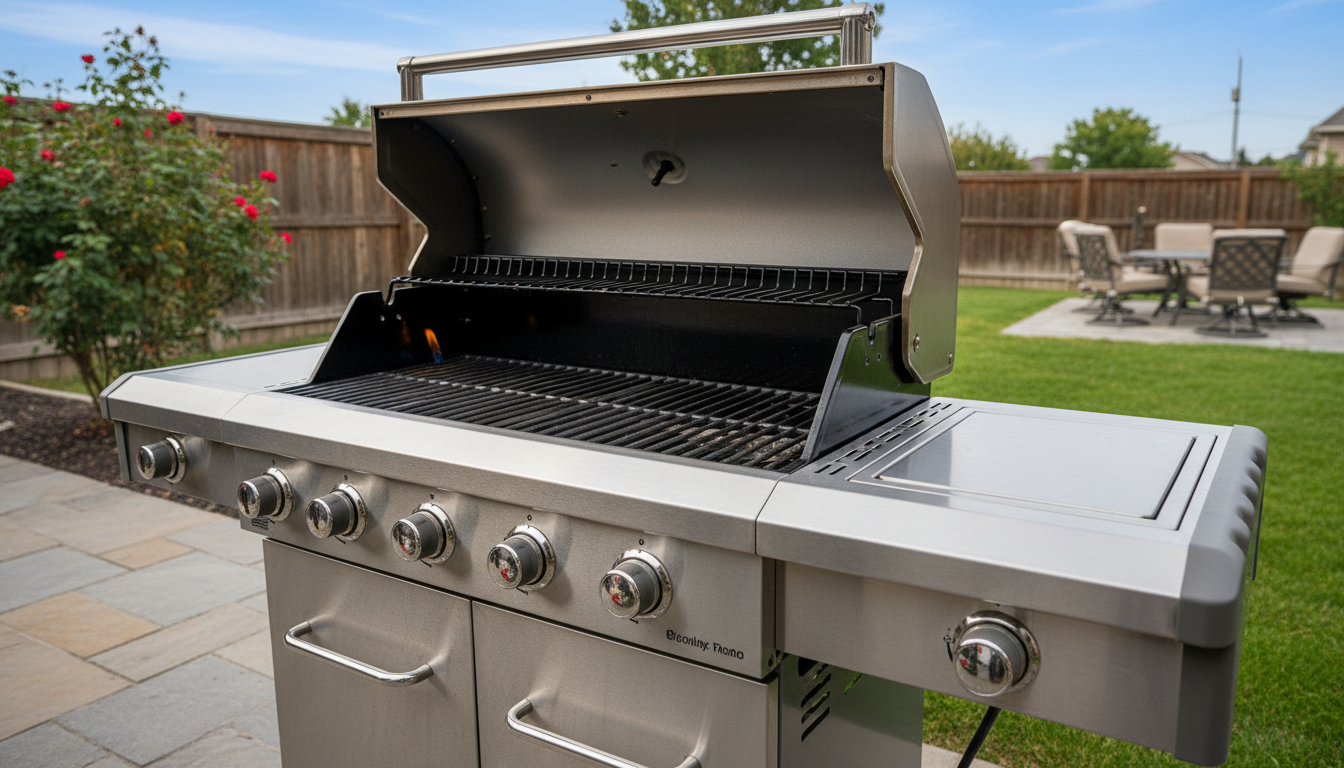
When a gas grill fire in bottom scenario occurs, the flames are no longer dancing on the surface; they are fueled by a pool of rendered fat that has collected over months of use. As this pool ignites, the internal temperature of the grill base can quickly exceed the structural limits of its components. Unlike a controlled burner flame, this grease fire radiates intense heat downward and outward. This localized inferno often melts the protective insulation on igniter wires and warps the venturi tubes that carry gas to the burners. In many high-end models, this heat can even damage the delicate control valves behind the knobs, leading to costly repairs.
The most critical point of failure happens when the heat reaches the manifold or the flexible gas supply lines. If these components melt or crack, they can release pressurized propane or natural gas directly into the existing fire, leading to a total loss of the equipment. Neglecting the grease trap is the leading cause of these uncontrolled burns. Once the grease in the collection tray ignites, it acts as a high-temperature fuse that can compromise the entire gas delivery system. Utilizing gas grill cleaning services ensures that these low-visibility areas are stripped of fuel, protecting the expensive internal hardware that keeps your grill functional. By the time you see thick, black smoke billowing from the base of your unit, the damage to your igniters and valves has often already become irreversible.
Flavor Fatigue: Why Old Grease Makes Even the Best Amarillo BBQ Taste Bitter
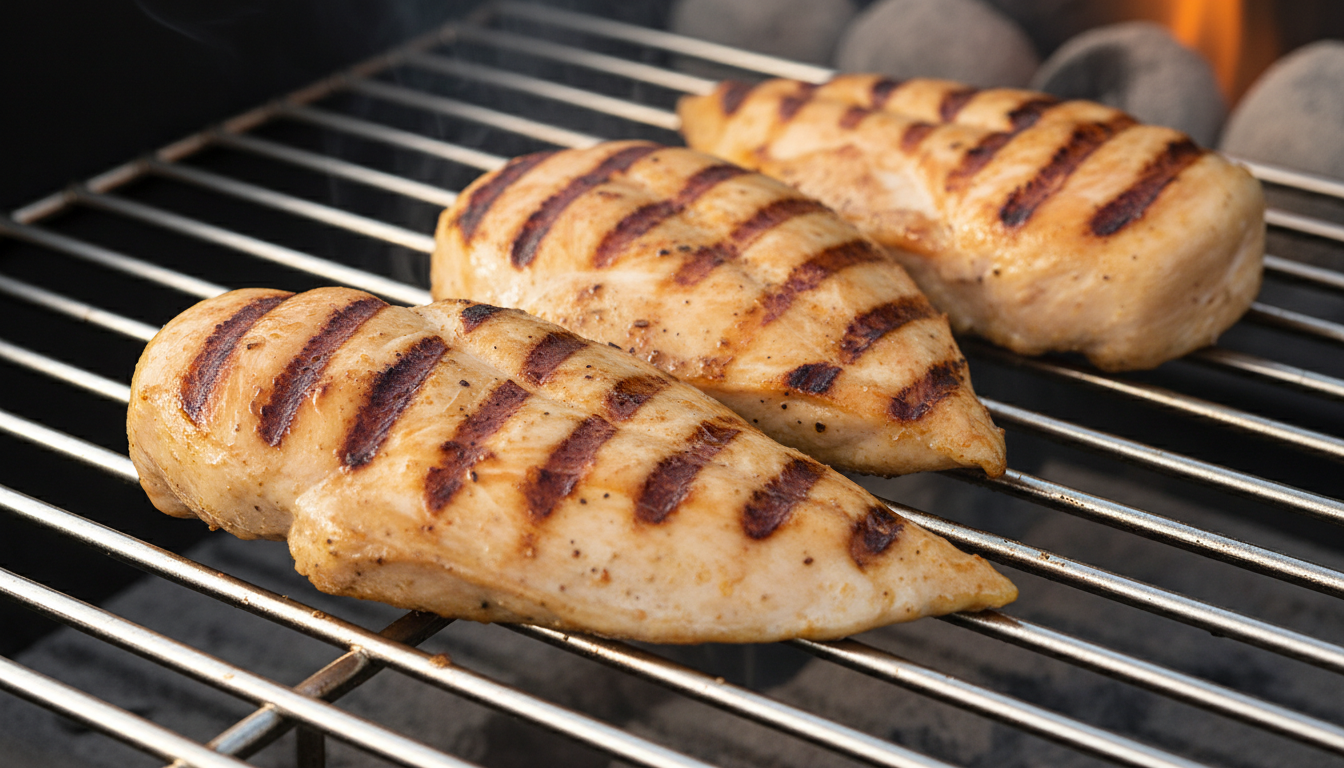
Beyond the structural grill grease buildup fire risk, there is a significant impact on your palate. In Amarillo, we take pride in the quality of our beef and the precision of our seasoning, but a dirty firebox acts as a flavor thief. When you ignite your burners, the intense heat begins to vaporize the layers of old animal fats and carbonized food particles clinging to the interior walls. This produces a thick, acrid smoke that is fundamentally different from the clean wood smoke or controlled gas heat you intend to use.
These ghost flavors settle onto your fresh meat, imparting a bitter, metallic, or rancid aftertaste that even the best dry rubs cannot mask. This bitterness is the direct result of the incomplete combustion of aged organic matter. Furthermore, this buildup is a health concern as much as a culinary nuisance. The carbonized crust and repeatedly heated grease traps can harbor heterocyclic amines and polycyclic aromatic hydrocarbons, which are known carcinogens.
True Texas barbecue relies on a clean cooking environment where the meat's natural juices interact with fresh heat, not the chemical remnants of residues from previous seasons. If your cookouts consistently leave behind a chemical smell or a sharp, off-flavor, it is likely time for a professional barbecue grill cleaning to reset your equipment’s flavor profile and ensure every meal is as healthy as it is delicious.
How to Prevent Grease Flare-ups on a Gas Grill
Maintaining a safe cooking environment starts with controlling the liquid fuel that collects during every cook. To mitigate the grill grease buildup fire risk, you must establish a routine that addresses the drip tray before it reaches its capacity. A common question homeowners ask is, "how often should I clean my grill grease trap?" For the best results, you should inspect the tray every two to three uses. If you are grilling frequently during the peak Amarillo summer season, perform a thorough deep clean of the trap and surrounding area at least once a month.
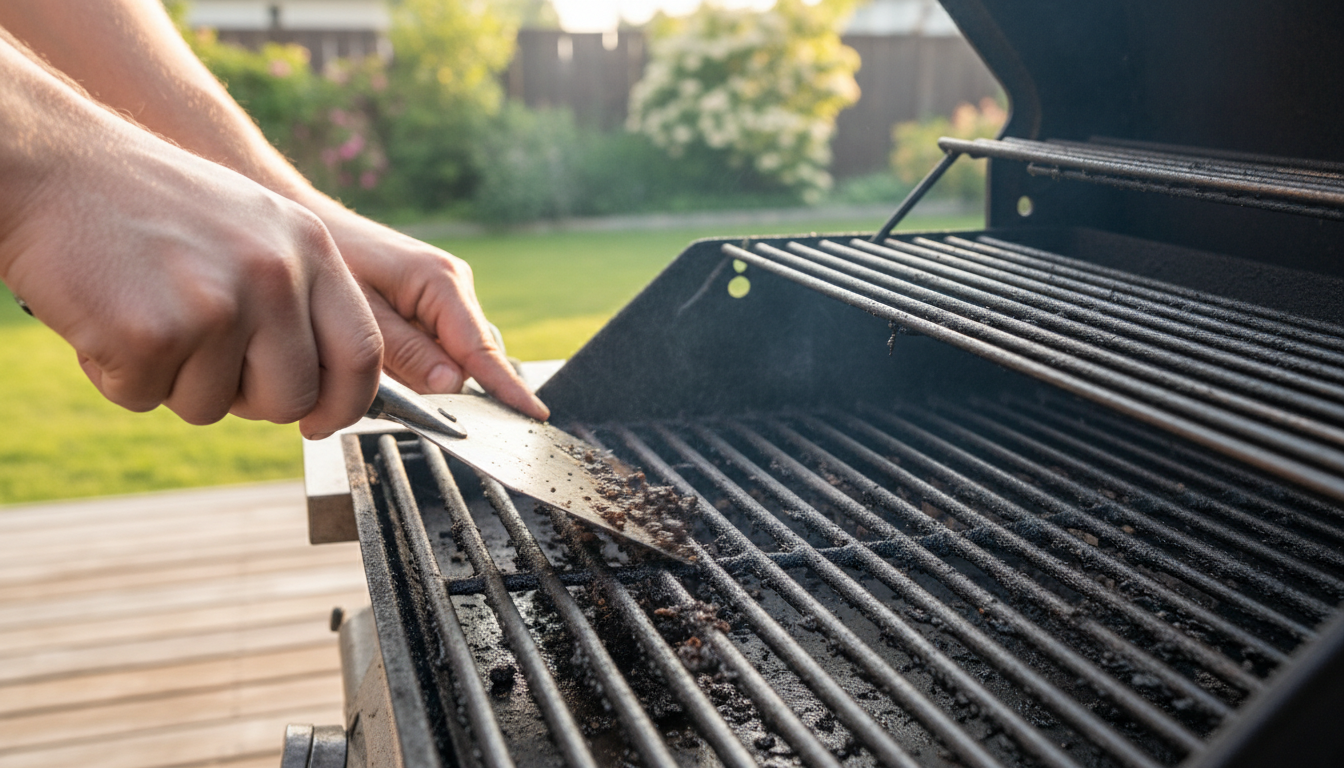
Daily maintenance is the most effective way to prevent flare-ups. Before lighting the burners, use a sturdy metal scraper to clear out any debris or solidified fat from the floor of the firebox. Pushing this material toward the grease collection hole prevents it from igniting directly under the burners. If your unit uses disposable drip pan liners, replace them as soon as they show significant accumulation; the cost of a new foil liner is negligible compared to the cost of a fire-damaged manifold.
Preparation also plays a vital role in fire prevention. When preparing traditional Texas cuts like brisket or ribeye, trim away large sections of external fat. While some fat is necessary for moisture, excessive rendering creates an immediate surge of fuel that the drainage system might not be able to handle. If these DIY steps feel overwhelming or if your equipment has reached a state where a simple scraper is not enough, gas grill cleaning services can provide a deeper level of sanitation. For those ready to restore their setup, you can contact us for a free estimate to ensure your next cookout is both safe and productive.
Grill Fire Safety: What to Do and Can You Eat Food After a Grease Fire?
If preventative measures fail and your firebox ignites, you must react quickly to minimize the grill grease buildup fire risk spreading to your home or patio. A grease fire behaves differently than a wood or charcoal fire; the wrong response can lead to serious injury or property damage. Follow these steps immediately:
Turn off all burner knobs to cut the primary fuel source.
If you can safely reach the propane tank or natural gas shut off, close the valve completely.
Close the grill lid to starve the fire of oxygen.
For persistent flames, pour a generous amount of baking soda or salt directly onto the fire. These substances help smother the flames without causing a dangerous reaction.
NEVER use water on a grease fire. Water sinks under the hot oil and instantly vaporizes, causing a steam explosion that sprays burning grease onto you and your surroundings.
A common question we hear is, "Can you eat food after a grease fire?" The answer depends on your suppression method. If you used a fire extinguisher, the food is contaminated and must be discarded. The residue from extinguishers is not food safe and can be toxic. If the fire was a localized flare up that you extinguished by closing the lid or using salt, inspect the meat for heavy soot deposits or a sharp, chemical odor. When in doubt, discard the food to avoid ingesting concentrated carbonized grease.
Before your next cookout, you must determine if it is safe to use a grill after a grease fire. Intense heat often damages the structural integrity of your equipment. Inspect the gas supply lines for melting or cracks and ensure the burner valves still move freely. If you notice any warping or if the igniters have melted, do not attempt to relight the unit. Gas grill cleaning services include a thorough inspection of these components to identify safety failures. A professional barbecue grill cleaning is often necessary after a fire to remove the charred residue and the salt or baking soda used during the emergency. For a comprehensive safety check, contact us for a free estimate to ensure your equipment is sound before your next meal.
When a Brush Is Not Enough: The Case for Professional Restoration
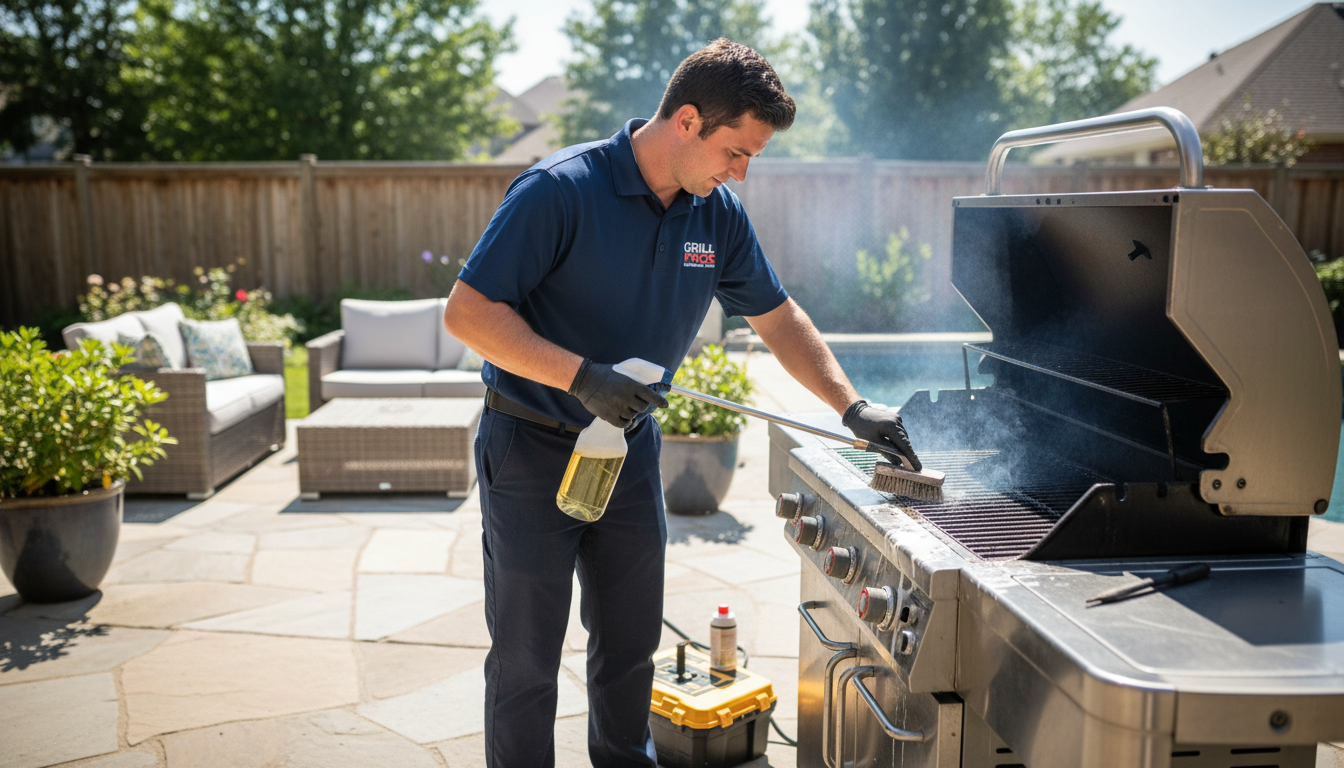
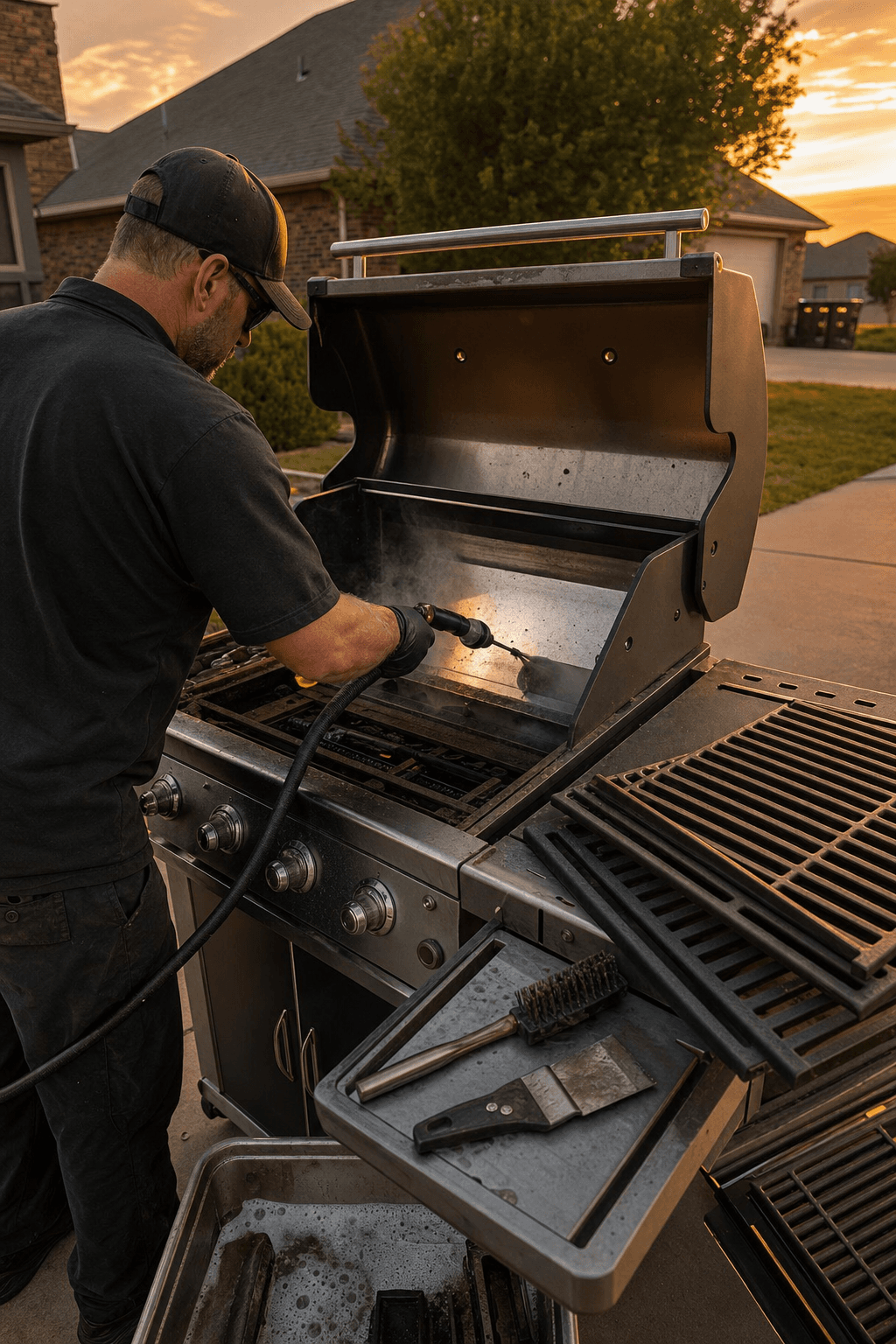
Standard wire brushes and supermarket sprays are adequate for basic surface maintenance, but they fail to address the root of the grill grease buildup fire risk. Most homeowners focus their cleaning efforts exclusively on the top of the grates, rarely venturing beneath the heat shields or removing the burners. Unfortunately, the underside of those shields and the interior walls of the firebox are where the most dangerous layers of carbonized fat accumulate. These hidden zones are unreachable with standard household tools and require a technical approach to ensure the unit is truly safe for operation.
Amarillo Grill Cleaning LLC utilizes professional grade, eco friendly degreasers and specialized equipment to penetrate these difficult areas. Our process involves a systematic breakdown of the internal components, allowing us to remove the thick, flammable sludge that common brushes simply smear around. By stripping the equipment back to its original metal surfaces, we eliminate the primary fuel source for potential fires and ensure that gas flow remains unobstructed. Professional restoration is more than a cosmetic luxury; it is a critical maintenance step that protects the longevity of high end equipment. Opting for gas grill cleaning services protects your investment and ensures your cooking environment remains sterile. For a deep, restorative clean that restores performance, contact us for a free estimate and see how a professional barbecue grill cleaning can extend the life of your setup.
Maintaining a clean grill is about more than just aesthetics; it is a vital step in preventing grease fires and ensuring your food tastes its best. While routine wiping is helpful, a thorough deep clean reaches the hidden areas that often harbor dangerous buildup. If you would like expert assistance to get your equipment back to its prime condition, we are here to support you. You can read more about our dedicated team to discover how we help local grillers enjoy a safer and more delicious outdoor cooking experience.