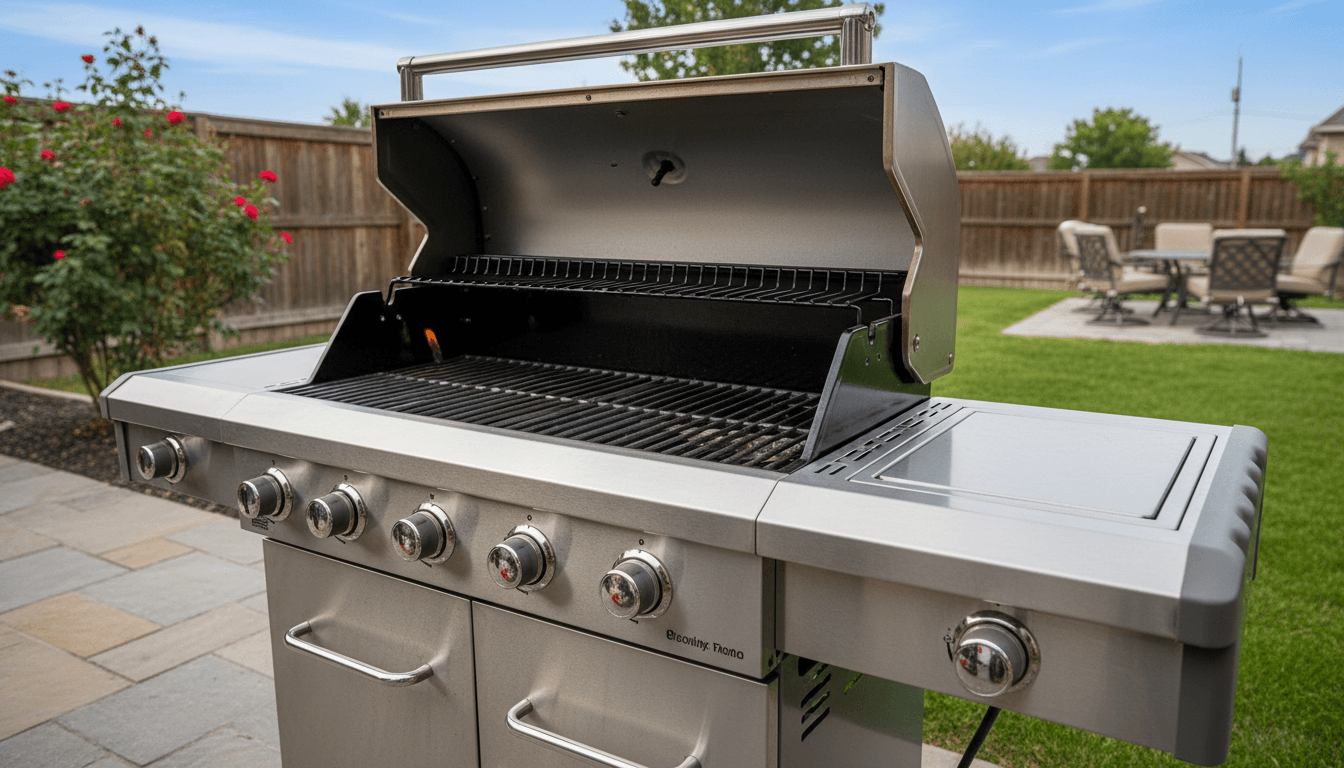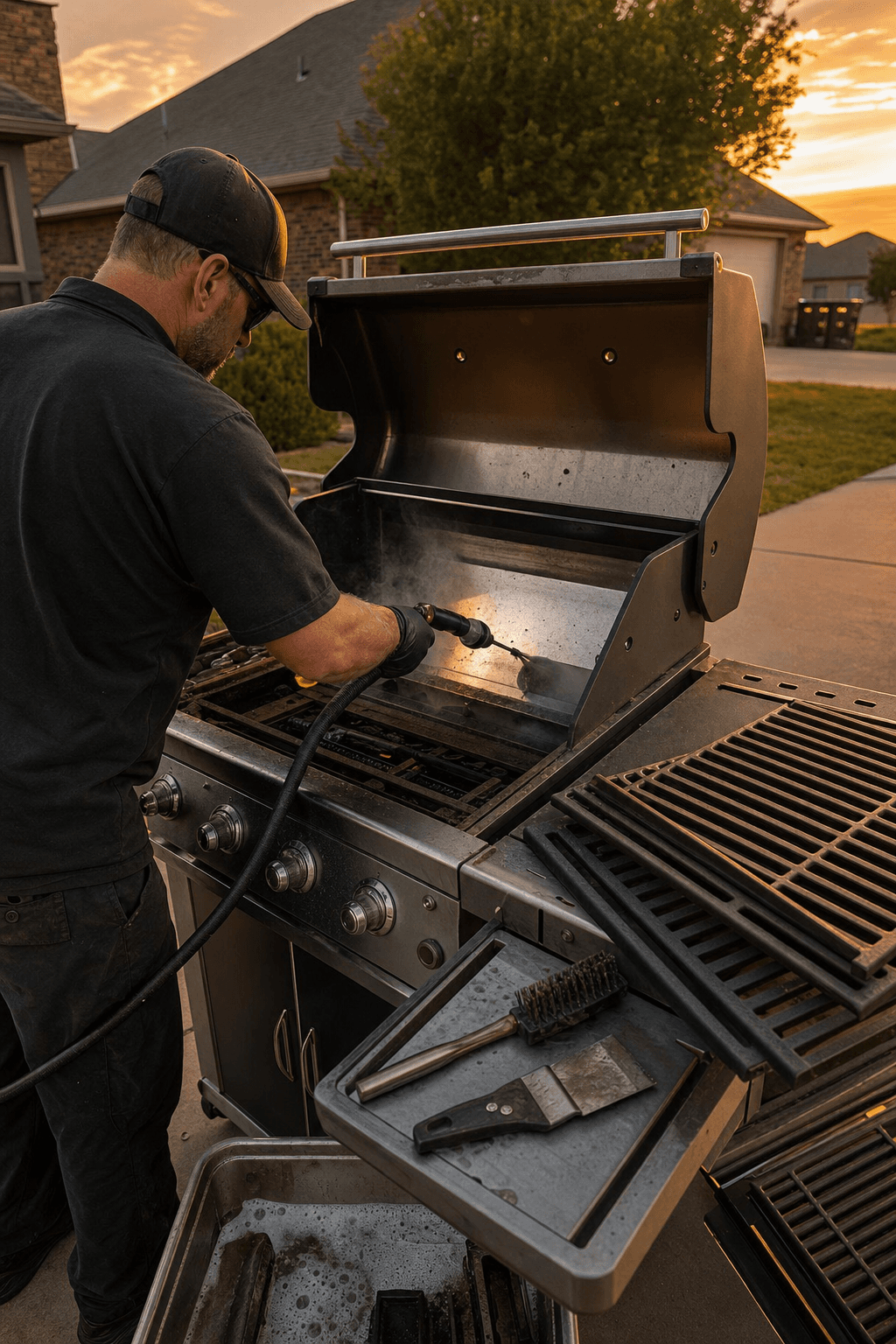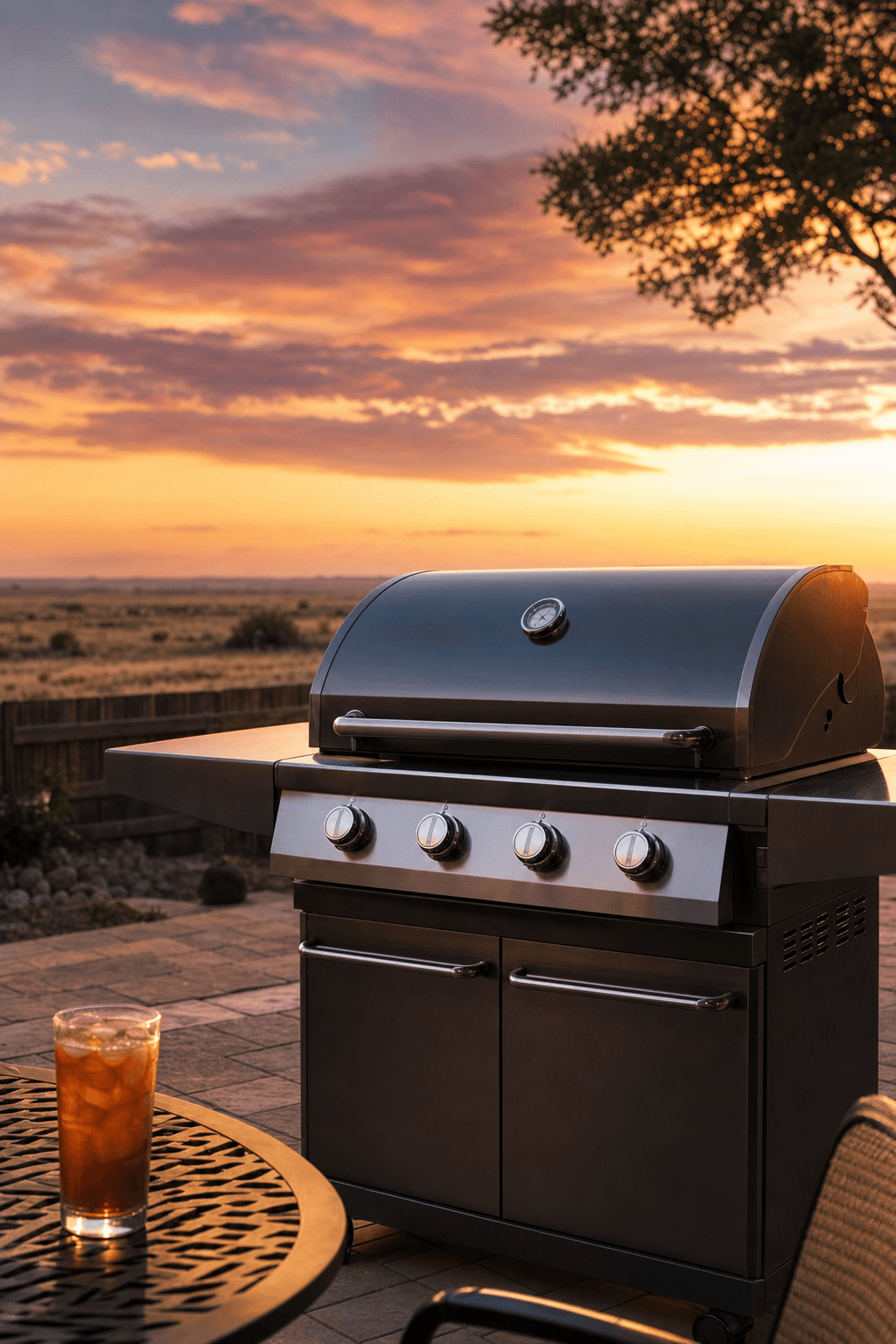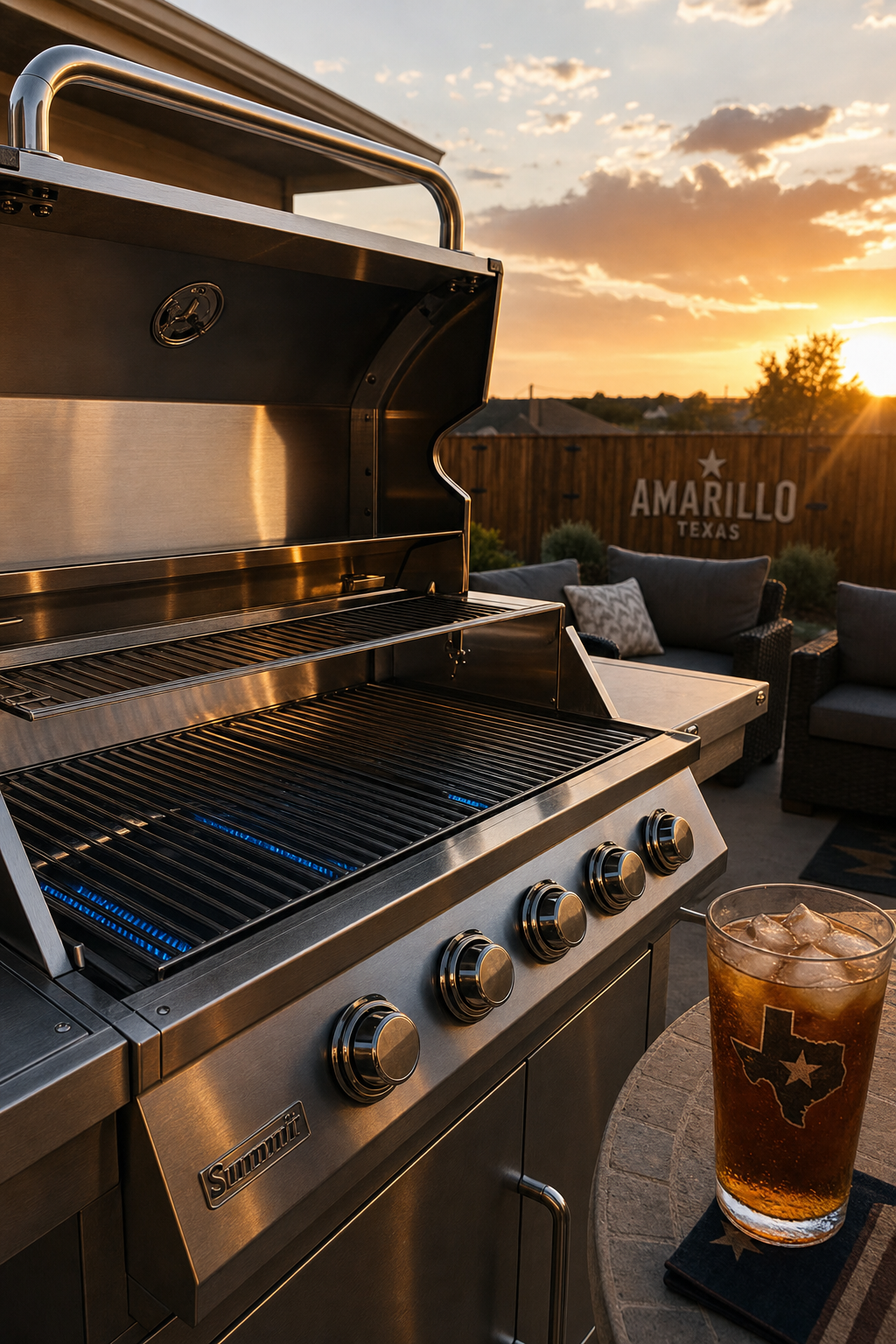
Effectively cleaning a weber gas grill involves scraping the cooking grates and flavorizer bars, scrubbing the interior cook box, and emptying the grease tray to ensure optimal performance. You should use a wire brush and mild soapy water for regular maintenance; however, hiring a professional in Amarillo is recommended for deep annual cleanings or addressing complex burner tube issues.
There is nothing more frustrating than firing up your high performance Weber only to find uneven flames, stubborn grease flare ups, or that persistent Amarillo dust caking your grates. While these grills are designed for durability, neglect can quickly lead to subpar searing and potential safety hazards. Maintaining your investment ensures every steak tastes exactly as intended; it also extends the lifespan of your components. In this guide, we provide a practical checklist for maintaining your Flavorizer bars and burner tubes at home. You will also learn about the most common DIY mistakes to avoid and how to identify the signs that your grill requires a specialized, professional deep clean to restore its factory shine.
Why Your Weber Gas Grill Needs Regular Deep Cleaning
Investing in a Weber gas grill means you value performance and longevity. Maintaining that performance in the Texas Panhandle requires more than a simple brush of the grates. Amarillo homeowners face a unique environmental challenge: High Plains dust. When persistent high winds drive fine silt into your grill, it settles and mixes with vaporized grease to create a thick, abrasive sludge that is far more difficult to remove than standard carbon buildup.
This buildup creates a thermal barrier in the cookbox that forces your burners to work harder, directly reducing fuel efficiency. Furthermore, old grease and carbonized food particles release acrid smoke that taints the flavor of fresh meat. While a post-cook scrape is essential for daily hygiene, cleaning a weber gas grill at a deeper level involves stripping away these layers to restore the reflective properties of the interior surfaces.
A true deep clean addresses the areas you cannot see, such as the bottom of the cookbox and the manifold area, where debris often hides. If your grill has reached a point where the heat feels inconsistent or the smoke smells bitter, professional barbecue grill cleaning can restore it to peak condition. You can also contact us for an on-site inspection to evaluate the state of your components before the heavy cooking season begins.
The DIY Weber Maintenance Checklist: What Homeowners Can Do
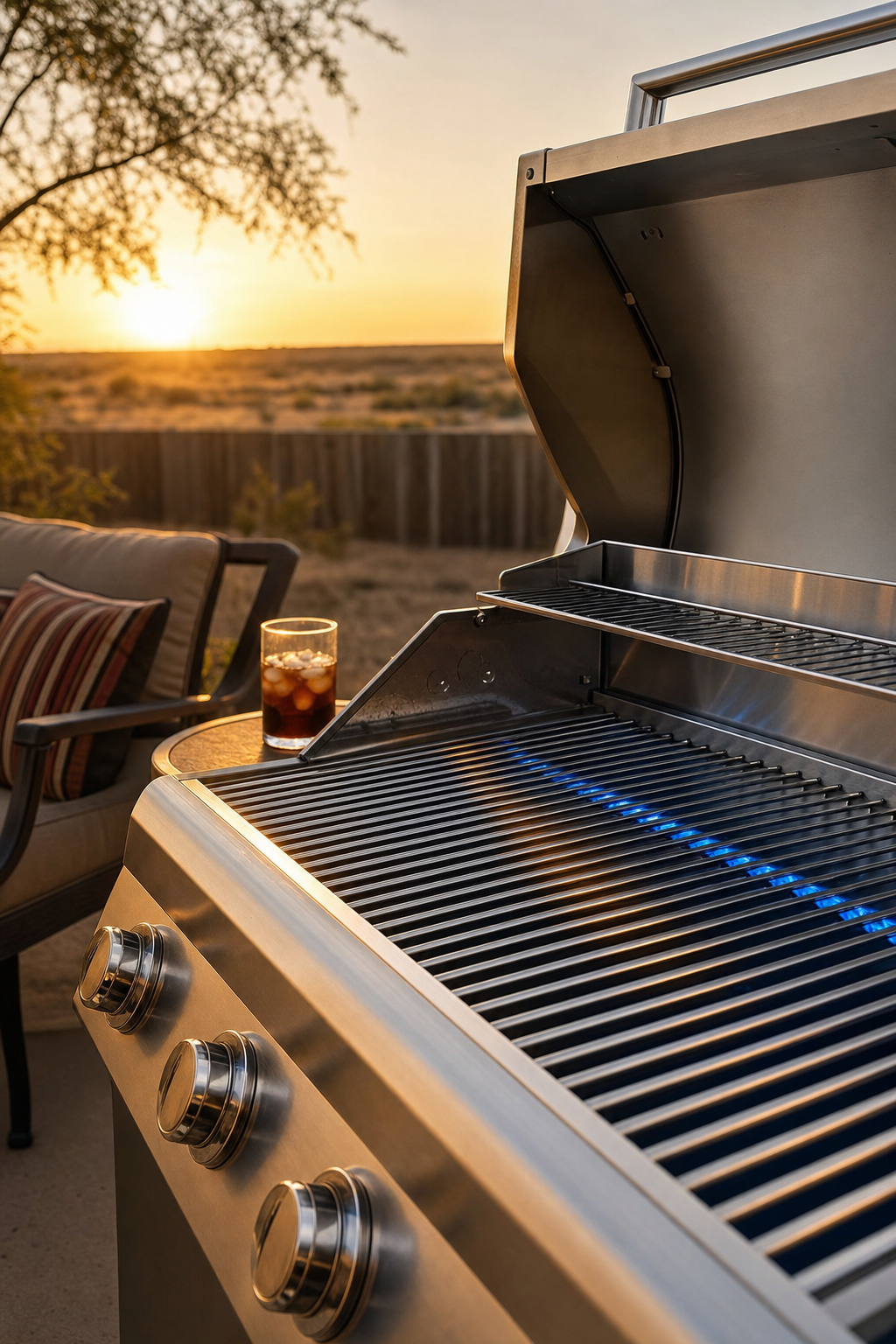
Before you begin any maintenance, safety is the primary priority. Verify that the gas supply is shut off at the tank or the main valve and ensure the grill is completely cool to the touch. For routine cleaning, you do not need specialized industrial chemicals. Most experienced grillers on forums like Reddit and The Virtual Weber Bullet (TVWBB) recommend a simple solution of warm water and a grease-cutting dish soap like Dawn.
To keep the process organized and prevent the spread of grease, use the two-bucket method. Fill one bucket with soapy water for scrubbing and a second bucket with clean water for rinsing your sponge or microfiber cloth. This ensures you are always applying clean water to the surfaces rather than just moving liquified grease around the cookbox.
Follow these steps for a standard DIY maintenance session:
Scrub the Grates: Use a high quality stainless steel brush to remove carbonized food. For stubborn debris, a brief soak in your soapy bucket can help loosen the bond.
Clean the Lid: Refer to your specific Weber model's documentation. Porcelain-enameled lids are essentially glass-fused-to-steel; they should be cleaned with mild soapy water and a soft cloth. Avoid abrasive scouring pads that can dull the finish. For stainless steel lids, always wipe in the direction of the metal grain to prevent micro-scratches and streaks.
Clear the Cookbox: Use a plastic scraper or a putty knife to push loose debris into the bottom tray.
Wipe the Exterior: Use the clean rinse bucket to remove any soap residue from the side tables and control knobs.
Regularly performing these steps helps prevent the High Plains dust from permanently bonding to the finish. However, if the buildup has transitioned from surface dust to a hard, carbonized crust, you may need more than a standard bucket and brush. If your DIY efforts are not yielding the results you want, check our pricing for grill restoration to see how we can handle the heavy lifting for you.
Cleaning Weber Flavorizer Bars and Burner Tubes
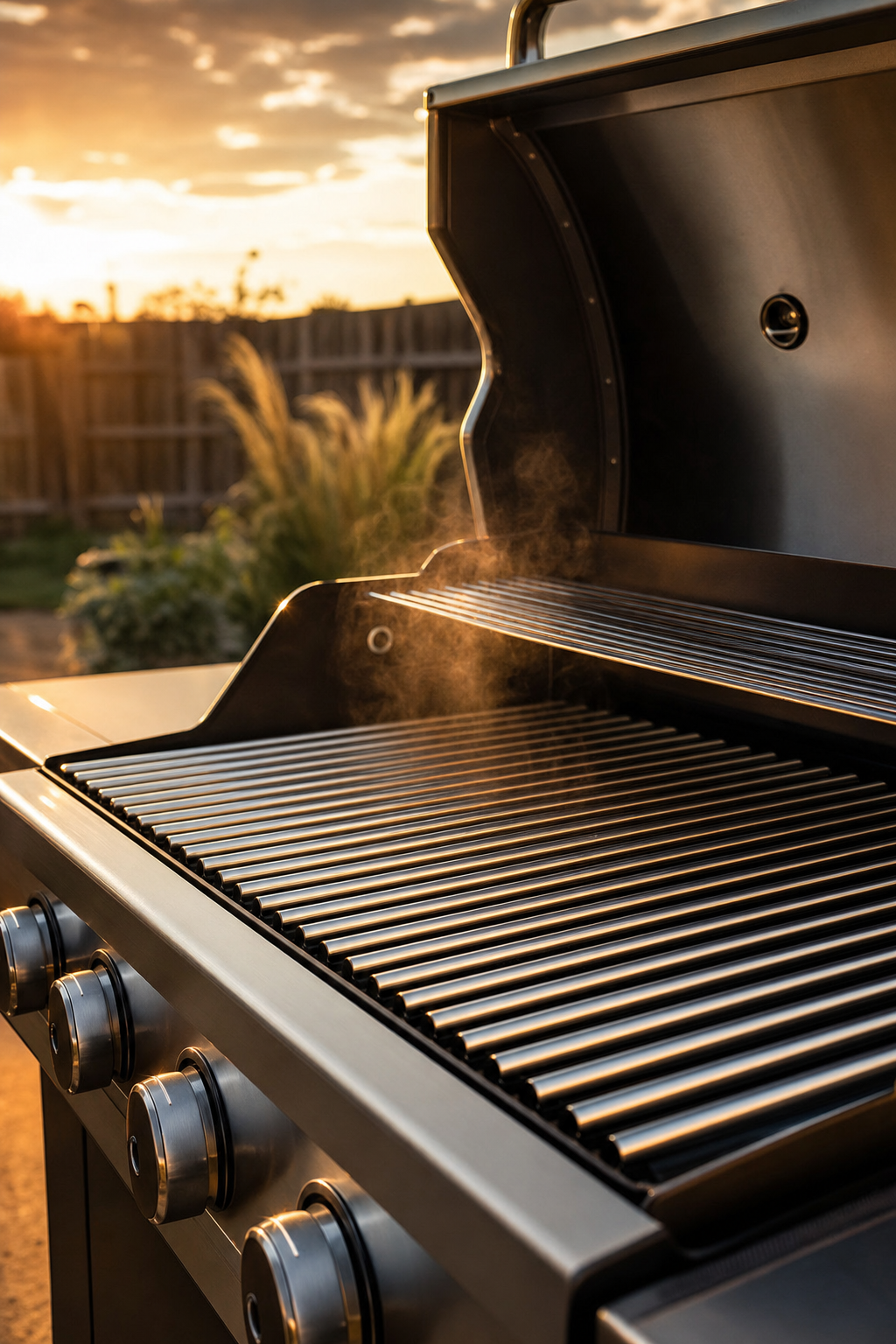
Moving deeper into the cookbox requires focus on the components responsible for heat distribution and safety. The Flavorizer bars are the V-shaped metal shields positioned directly over the burner tubes. Their primary job is to protect the burners from drippings and vaporize juices to create that distinct barbecue aroma. To clean these bars, remove them from the grill and use warm, soapy water and an SOS pad to scrub away carbonized grease.
During this process, inspect the structural integrity of the metal. Surface oxidation is normal, but if the bars are rusted through with visible holes or if the edges are crumbling, they must be replaced. Thinning metal cannot properly radiate heat, leading to cold spots across your cooking surface.
The burner tubes require a more delicate touch. One of the most common issues homeowners face is clogged gas grill burner ports. You can identify this by looking for uneven flames or sections of the tube where the fire does not light at all. Use a soft stainless steel brush to clean the ports, brushing across the holes rather than lengthwise. Brushing lengthwise risks pushing debris further into the openings, making the clog worse.
Pay close attention to the spider guards located at the ends of the burner tubes where they meet the gas valves. These mesh screens prevent spiders and other insects from nesting inside the venturi tubes. A blockage in this area is a significant safety hazard that can cause a flashback fire behind the control panel. While cleaning a weber gas grill involves these technical steps, if you are uncomfortable handling gas components, you can contact us for an on-site inspection to ensure your system is clear and venting correctly.
Common Mistakes When Cleaning a Weber Gas Grill
Even with the best intentions, certain shortcuts can lead to permanent damage when cleaning a weber gas grill. One of the most common errors is the use of caustic oven cleaners on porcelain-enameled parts. While these chemicals are effective on oven interiors, they are far too harsh for the glass-fused finish of a Weber lid or cookbox. Using these can cause the porcelain to crack or develop a web of fine lines known as crazing, which eventually leads to rust.
Another frequent question homeowners ask is whether they can simply hose down the inside of the grill. While a light rinse of the cookbox is usually safe, excessive water pressure or flooding the interior can be disastrous. Water often finds its way into the burner tubes and the ignition system. If the electrodes or the ceramic insulation around the sparker get soaked, your grill may fail to light for days, or the components may corrode prematurely. It is always safer to use a damp sponge and targeted scraping than a garden hose.
Many Amarillo residents also contact us in a panic because they believe the paint on the inside of their grill lid is peeling. This is almost always an illusion. What you are seeing is a thick layer of carbonized grease and smoke that has hardened and started to flake off. Do not use a metal scraper or wire brush on the inside of the lid, as this will scratch the finish. Instead, use a plastic putty knife or a crumpled ball of aluminum foil to gently peel away the buildup. If your grill has reached a state where the grime feels impossible to move without damaging the finish, you may find that our pricing for grill restoration is a more cost-effective alternative to replacing damaged components.
When the DIY Scrape Isn't Enough: Signs You Need a Professional
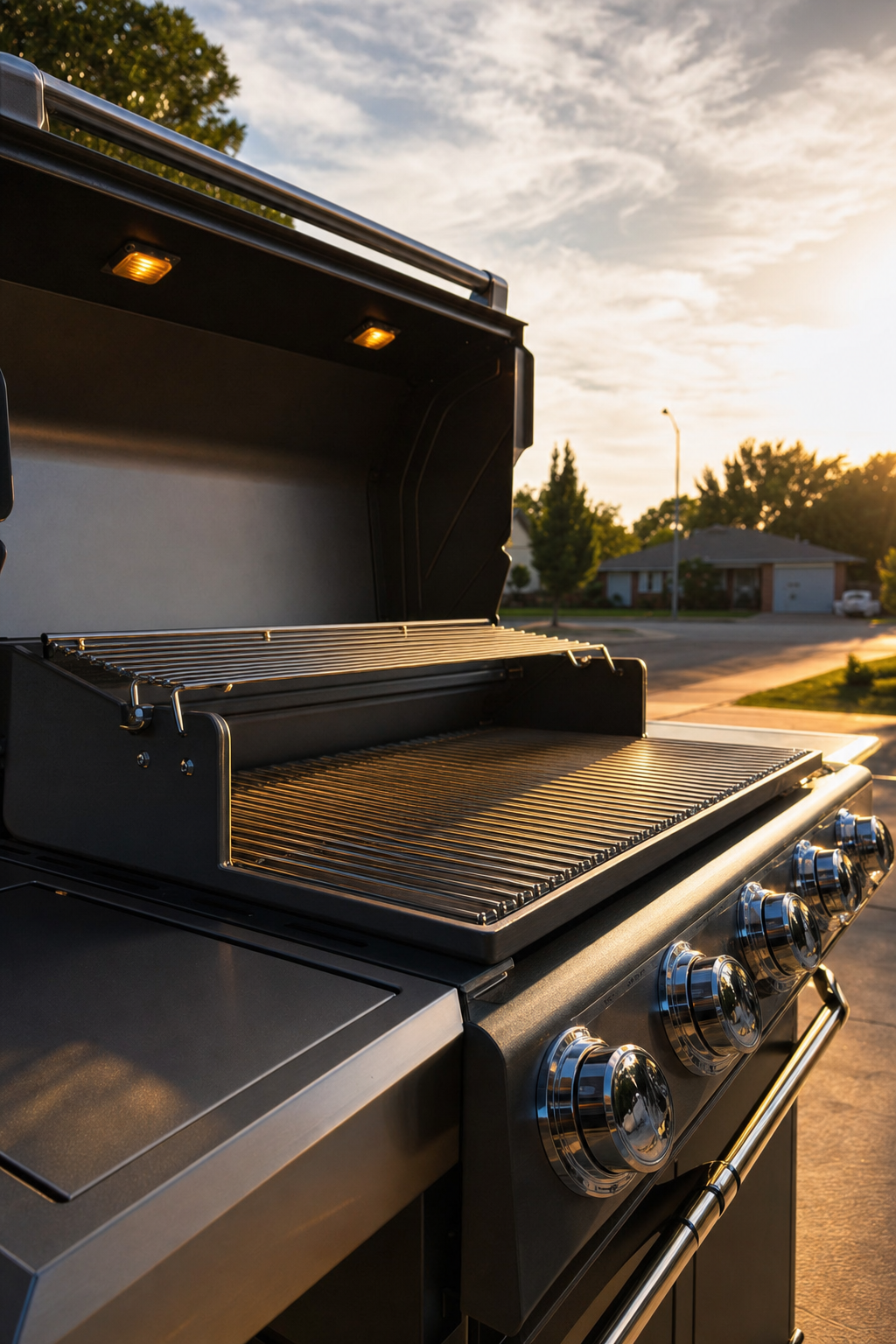
Homeowners often hit a wall where standard maintenance no longer delivers the desired results. One of the most critical indicators that you need professional help is the presence of persistent yellow or orange flames. A healthy Weber burner should produce a steady, blue flame with occasional yellow tips. If your flames are predominantly yellow, it signifies an improper air to fuel ratio caused by deep internal blockages that a surface brush cannot reach.
Safety becomes the primary concern when grease accumulation in the cookbox reaches a level where it no longer flows into the drip pan. In the high winds of the Texas Panhandle, a flare up can quickly escalate into a dangerous grease fire fueled by oxygen. If your ignition system fails to spark after installing fresh batteries, or if you notice a lingering acrid smell even after the grill is off, the equipment requires a deeper level of intervention. Professional barbecue grill cleaning addresses these safety hazards by stripping away carbonized layers that a plastic putty knife simply cannot budge. While a DIY effort focuses on the grates, we specialize in the restoration of the cookbox and manifold. If your grill has reached this tipping point, you can contact us for an on-site inspection to determine if your components are salvageable or if you should review our pricing for grill restoration to bring the unit back to its original performance standards while cleaning a weber gas grill.
The Professional Advantage for Amarillo Grill Owners
Hiring a specialist for cleaning a weber gas grill provides access to tools and techniques that go far beyond a standard hardware store kit. While DIY methods rely on retail degreasers and manual scrubbing, our team utilizes industrial grade, food safe solutions. These specialized formulas are designed to dissolve stubborn carbonized buildup on a molecular level without compromising the integrity of your Weber's porcelain coating or stainless steel finish.
Beyond the aesthetics, a professional service includes a technical evaluation of the gas manifold and orifice settings. We ensure the fuel delivery system is balanced and free of the microscopic obstructions that cause hot spots. Our mobile unit provides this level of detail on-site, serving homeowners in neighborhoods from Wolflin to Sleepy Hollow and Bishop Hills. This convenience allows you to reclaim your weekend while we handle the heavy degreasing and technical assembly.
Investing in professional barbecue grill cleaning is a strategy for long-term asset protection. A well-maintained Weber Genesis or Spirit can easily last another 5 to 10 years when the cookbox is regularly cleared of the corrosive salts and acids found in marinades and fats. You can contact us for an on-site inspection to see how we can maximize your equipment's lifespan. To understand the value of this maintenance, review our pricing for grill restoration and compare it to the significant cost of a full equipment replacement.
Preparing Your Grill for the Texas Panhandle BBQ Season
Amarillo winters are notoriously dry and windy, forcing fine High Plains silt into every crevice of your equipment. This dust bonds with residual oils to create a gritty film that hardens during the off-season. Addressing this buildup in early spring is vital. The intense Texas sun acts as a kiln, baking that mixture into a permanent crust that is difficult to remove once summer arrives.
Cleaning a weber gas grill before the 4th of July ensures the components are clear of debris that hinders performance and fuel efficiency. You can contact us for an on-site professional grill cleaning, or view our grill cleaning pricing to see what fits your budget.