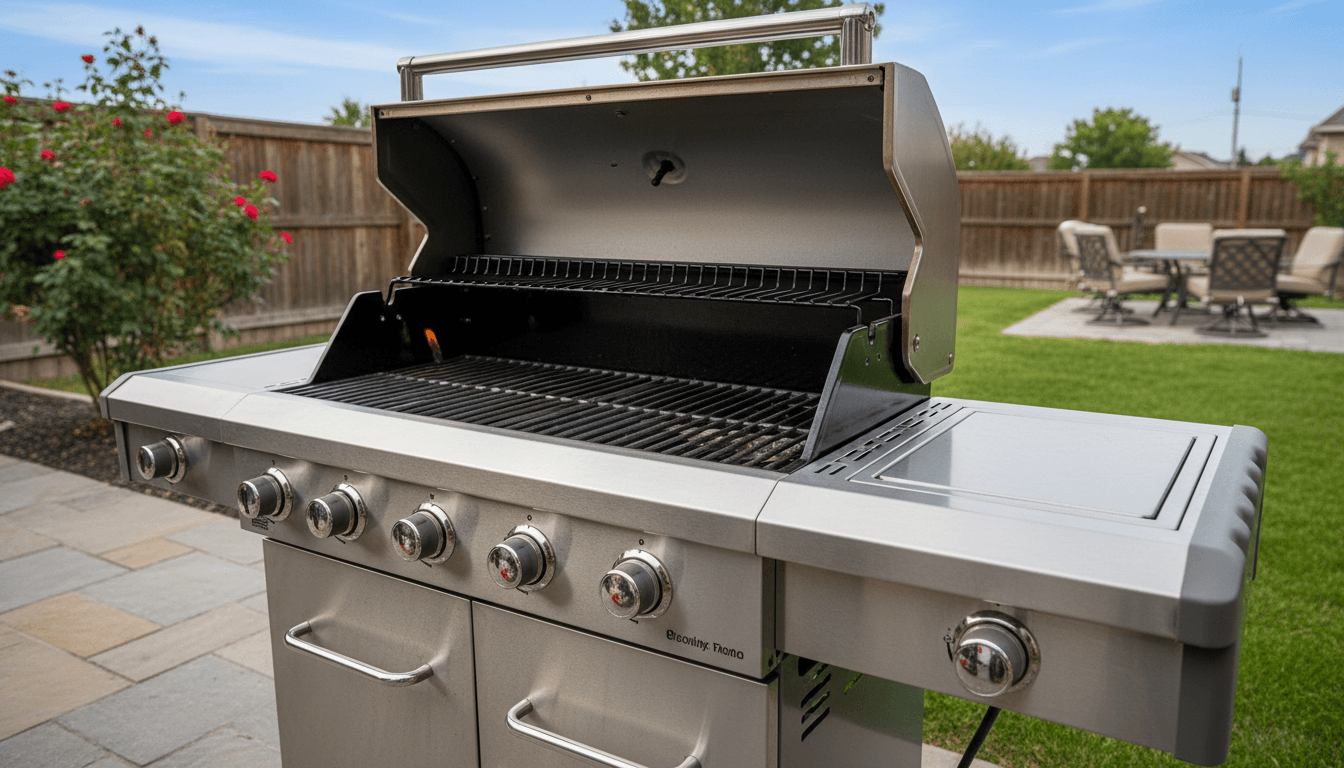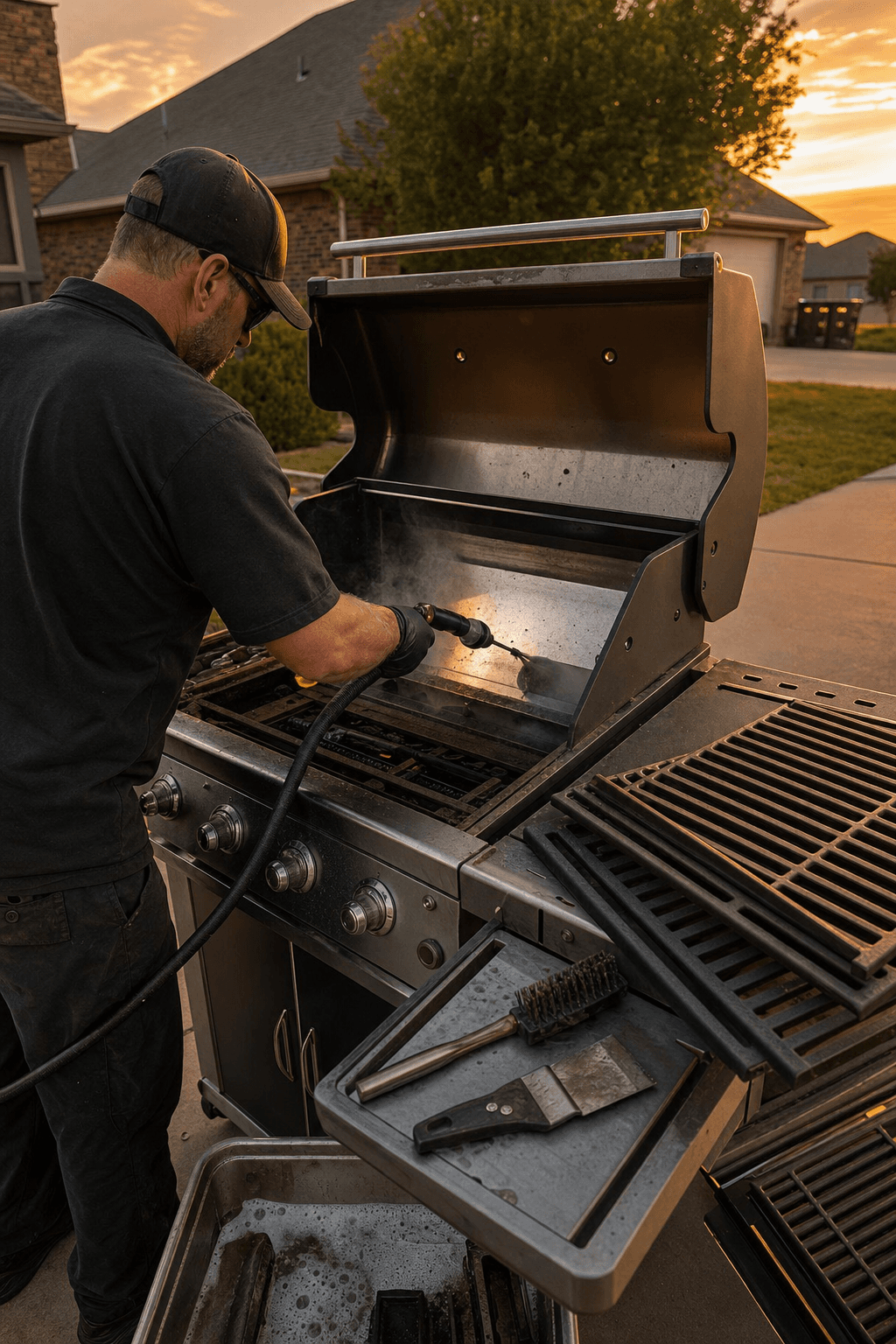
Key signs grill needs cleaning include persistent flare-ups, visible grease accumulation, and uneven heating across the cooking surface. You may also notice a bitter taste in your food or unusual odors lingering even when the unit is off. Addressing these issues through regular maintenance ensures better flavor and prevents dangerous carbon buildup.
You spent $95 dollars on a prime brisket and hours monitoring the temperature, yet the final result carries a bitter, metallic aftertaste that ruins the meal. It is a common frustration for backyard pitmasters across the Texas Panhandle, and it usually points to a neglected cooking surface. This matters because high-quality meat deserves a high-quality environment. When carbonized grease and old food particles build up on your grates and burners, they do more than just make a mess; they actively degrade your BBQ and create dangerous temperature inconsistencies. Maintaining a pristine grill is the fundamental secret to achieving that professional level of smoke and sear you expect. In this guide, we will explore five definitive signs that your equipment is overdue for a professional deep clean, from persistent acrid smoke to those infuriating cold spots that prevent a perfect crust.
Why Your Backyard BBQ Might Not Taste Like the Texas Panhandle Standard
In Amarillo, outdoor cooking is more than a hobby; it is a point of pride. We have access to some of the finest cuts of beef in the world and generations of knowledge regarding dry rubs and wood smoke. However, even the most seasoned pitmaster can struggle when their equipment is working against them. While many backyard chefs blame the meat quality or a new recipe for a lackluster dinner, the silent culprit is often the state of the cooking surface itself.
Living in the Texas Panhandle introduces unique challenges. Our notorious winds carry fine dust and grit that settle into the grease traps and burner tubes of your equipment. This mixture creates a thick, abrasive sludge that inhibits airflow and traps old food particles. A high-performance grill is a precision cooking tool, not just a metal box with a flame. When layers of carbonized grease and local debris accumulate, they act as an insulator and a source of off-flavors. Recognizing the subtle signs grill needs cleaning is the first step in reclaiming the sear and flavor your family expects. If you want to ensure your setup is ready for the next cookout, professional barbecue grill cleaning and restoration can restore the mechanical efficiency needed for consistent, high-level results.
Sign 1: A Persistent Acrid or Bitter Smoke Flavor
Smoke is the soul of Texas barbecue, but there is a profound difference between the sweet, translucent blue smoke of seasoned mesquite and the thick, grey clouds produced by a neglected firebox. When fats and proteins from previous cooks remain on the grates or floor of the grill, they undergo carbonization every time you fire up the burners. This process breaks down organic matter into carbonized residue and rancid oils. Instead of enhancing your ribeye, this "bad smoke" carries acrid compounds and soot that bond to the surface of your meat, leaving a lingering bitter aftertaste that even the best dry rub cannot mask.
One of the clearest signs grill needs cleaning is the scent of the unit during the preheating phase. If you open the lid and encounter a sour, pungent, or chemical odor before the food even touches the metal, you are smelling the combustion of old waste. High heat does not simply vaporize these contaminants; it transforms them into airborne particulates that settle on your food. This is particularly problematic in the Panhandle, where our dry air and high winds can cause grease to thicken into a stubborn, tar like consistency when mixed with local dust. A thorough professional barbecue grill cleaning and restoration removes these layers of carbonized grease, ensuring that the only flavor your family tastes is the high quality beef and smoke you intended to serve. Relying on high heat to "burn off" this buildup is a mistake, as it only accelerates the carbonization process and further ruins the flavor profile of your next meal.
Sign 2: Uneven Heat and Infuriating Cold Spots
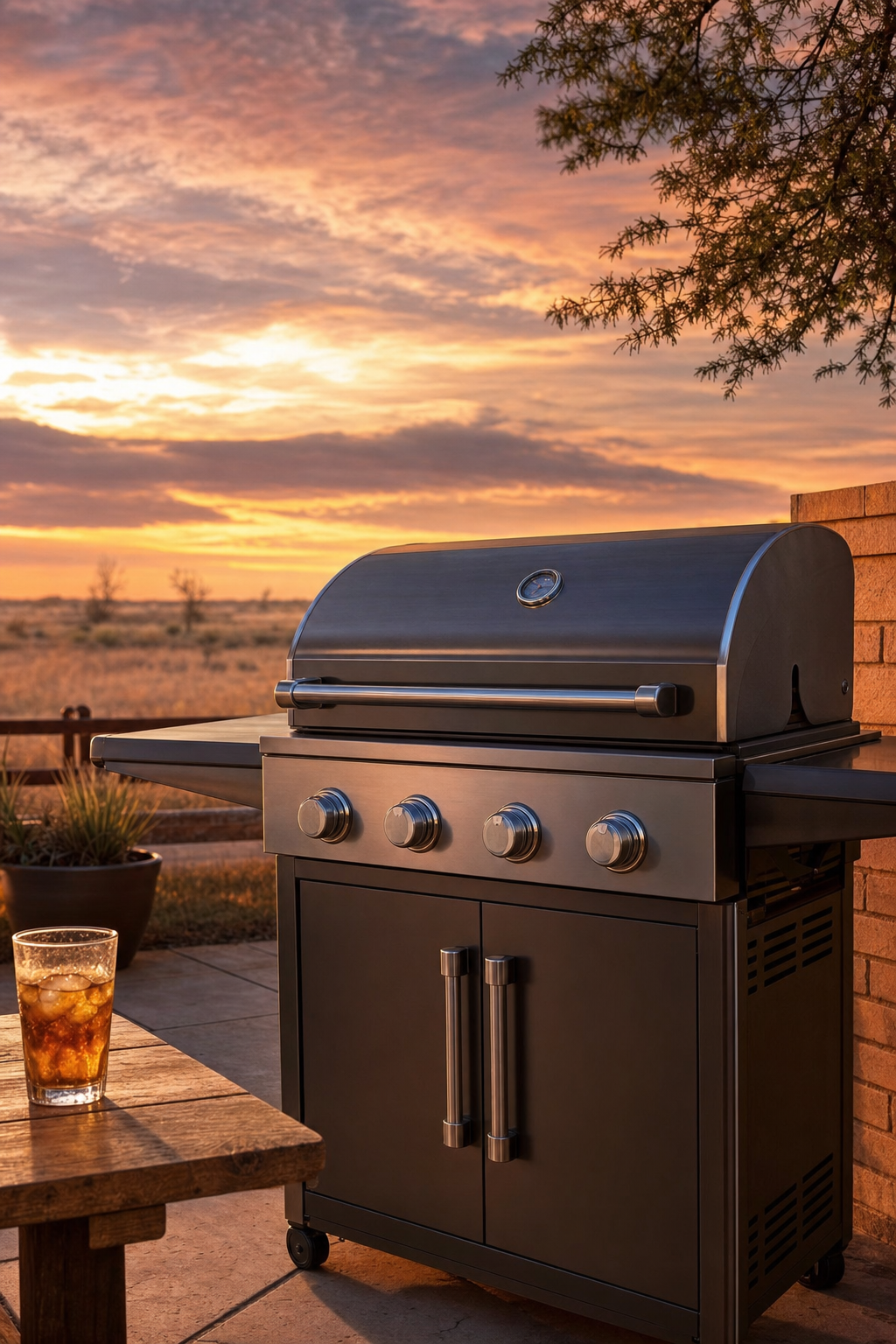
Precision temperature control is the hallmark of a great outdoor cook. When your equipment is functioning correctly, you should be able to predict exactly how a cut of meat will react to a specific zone on the grates. However, when you notice that one end of your ribeye is scorched while the other remains frustratingly raw, you are witnessing one of the most common signs grill needs cleaning. This inconsistency is usually caused by physical obstructions within the fuel delivery system and heat distribution components.
In the Texas Panhandle, this issue is amplified by our environment. Local dust storms carry fine grit that settles into the moist grease on your burner tubes. Over time, this mixture hardens into a stubborn crust that plugs the tiny gas ports. Furthermore, spiders and other insects are notorious for crawling into the burner venturi tubes to spin webs; these webs can partially or completely block the flow of gas, resulting in weak, yellow flames instead of the steady, blue heat required for a proper sear.
The internal components, such as flavorizer bars and heat tents, also suffer. When these metal shields are caked with carbonized drippings, they can no longer radiate heat evenly. Instead of acting as a heat distributor, the buildup acts as an insulator, creating localized hot spots and large cold zones. A professional barbecue grill cleaning and restoration involves deep cleaning these components and manually clearing every burner port. This process restores factory-spec gas flow and heat distribution, ensuring that your next cookout is defined by total control rather than guesswork.
Sign 3: The Ghost of Past Meals and Rancid Odors
Beyond physical blockages in the burners, a dirty grill harbors chemical residues that compromise the integrity of your ingredients. If your grilled chicken breast carries a faint, confusing hint of last Saturday’s cedar-plank salmon, you are experiencing cross-flavor contamination. This happens because animal fats and oils do not simply disappear; they settle into the pores of the metal and accumulate in the drip tray. Over time, these fats go rancid. When you reignite the burners, these old, oxidized oils vaporize, effectively seasoning your fresh food with the stale remnants of past meals. This is one of the most undeniable signs grill needs cleaning, as it indicates the firebox has become a reservoir for decomposing organic matter.
Many homeowners rely on a ten minute high heat blast to sanitize the cooking surface. While intense heat kills bacteria, it is ineffective at removing the heavy grease deposits trapped in the bottom of the firebox or the grease management system. These deposits act as a source of foul odors that compete with your seasoning. For instance, the delicate balance of a specialty maple or coffee infused rub can be completely overwhelmed by the pungent, greasy scent of old, burnt hamburger fat. Achieving a true flavor profile requires a neutral starting point. A professional barbecue grill cleaning and restoration service removes these deep-seated odors, ensuring that your expensive spices and high-quality proteins are the only things your guests taste.
Sign 4: Food Sticking to the Grates Despite Proper Oiling
Many backyard cooks operate under the mistaken belief that a blackened grill grate is a seasoned one, much like a well loved cast iron skillet. However, there is a significant chemical difference between true seasoning and carbonized debris. Proper seasoning is a micro thin layer of polymerized oil that creates a naturally non stick surface. In contrast, the black, flaky crust found on most neglected grates is simply burnt carbon and old protein. If your salmon skin or delicate burger patties tear every time you attempt a flip, it is one of the clearest signs grill needs cleaning.
When grates are covered in old residue, fresh food bonds to the carbon rather than the metal. No amount of surface oiling can overcome a layer of rough, porous soot. This bond is what causes food to stick and tear, leaving half of your meal behind and ruining the presentation. A professional barbecue grill cleaning and restoration removes this abrasive buildup, exposing the smooth stainless steel or cast iron underneath. Only on a truly clean surface can you achieve the professional diamond sear marks that define a high quality Amarillo cookout. By starting with bare metal, you allow the heat to transfer directly to the meat, creating a clean release and a superior crust without the frustration of losing your food to the grates.
Sign 5: Frequent and Unpredictable Flare-ups

While a few sparks are expected when rendered fat hits a heat source, frequent and unpredictable flare-ups are one of the most critical signs grill needs cleaning. These bursts of fire occur when liquid grease pools in the bottom tray of a gas grill or mixes with fine dust and ash in the pan of a pellet grill. According to the National Fire Protection Association, failure to clean is a primary factor in the roughly 10,600 home fires caused by grills annually. Beyond the safety hazard, these fires introduce dirty flames that compromise your dinner.
Unlike the controlled, radiant heat required for a proper sear, these grease fires lick the meat with yellow, soot heavy flames. This leads to a charred, bitter exterior while the interior remains undercooked, resulting in a distinct burnt fat taste. In the Texas Panhandle, our persistent winds can quickly fan these small grease fires into larger, dangerous blazes. A professional barbecue grill cleaning and restoration removes the hidden fuel sources from the bottom of the firebox and grease management system. Eliminating this debris restores total flame control to the cook, allowing you to manage heat levels without fear of a sudden, meal ruining inferno.
The Science of Flavor: Why Clean Steel Cooks Better

Achieving a world class sear on a Texas ribeye relies on a chemical transformation known as the Maillard reaction. This process occurs when sugars and amino acids on the meat’s surface react under high heat to create complex flavors and that iconic brown crust. For this reaction to trigger correctly, the grill must be an efficient heat conductor.
Neglected grates often develop a thick layer of carbonized organic matter. In the world of thermodynamics, carbon acts as an insulator rather than a conductor. This means that a dirty grate prevents the direct transfer of thermal energy from the metal to the meat. One of the technical signs grill needs cleaning is a noticeable delay in browning, as the carbon barrier forces the meat to bake rather than sear. When the steel is clean, infrared heat radiates directly from the burners to the protein, and the grates provide immediate conductive heat. This rapid energy transfer seals the surface quickly, preserving the internal juices and creating the texture professional chefs demand. Choosing professional barbecue grill cleaning and restoration removes the insulating soot, returning your equipment to its peak thermal efficiency. For those looking to upgrade their backyard performance, reviewing the pricing for on-site services is the first step toward better flavor.
Maintaining a clean grill is about more than just appearances; it is the foundation of every great meal you serve. By watching for these five warning signs, you can protect the flavor and safety of your cooking. When it is time for a deeper clean, see our professional grill cleaning service and pricing to get your BBQ back to peak performance.